
Blog
Featured Topics
-

Protecting Legacy Applications in Zero Trust
Every organization migrating to Zero Trust encounters legacy applications that cannot be modified to support modern authentication protocols, contextual authorization,…
-

Enforcing Policy at Application Layer
Network-layer controls operate on IP addresses, ports, and protocols. They can determine that a connection originates from a specific source…
-

Workload Identity in Kubernetes
Kubernetes workloads present a unique identity challenge. Pods are ephemeral, IP addresses are dynamically assigned and recycled, and containers can…
-

Zero Trust in Microservices Architecture
Microservices architectures decompose monolithic applications into dozens or hundreds of independently deployable services, each with its own data store, API…
-
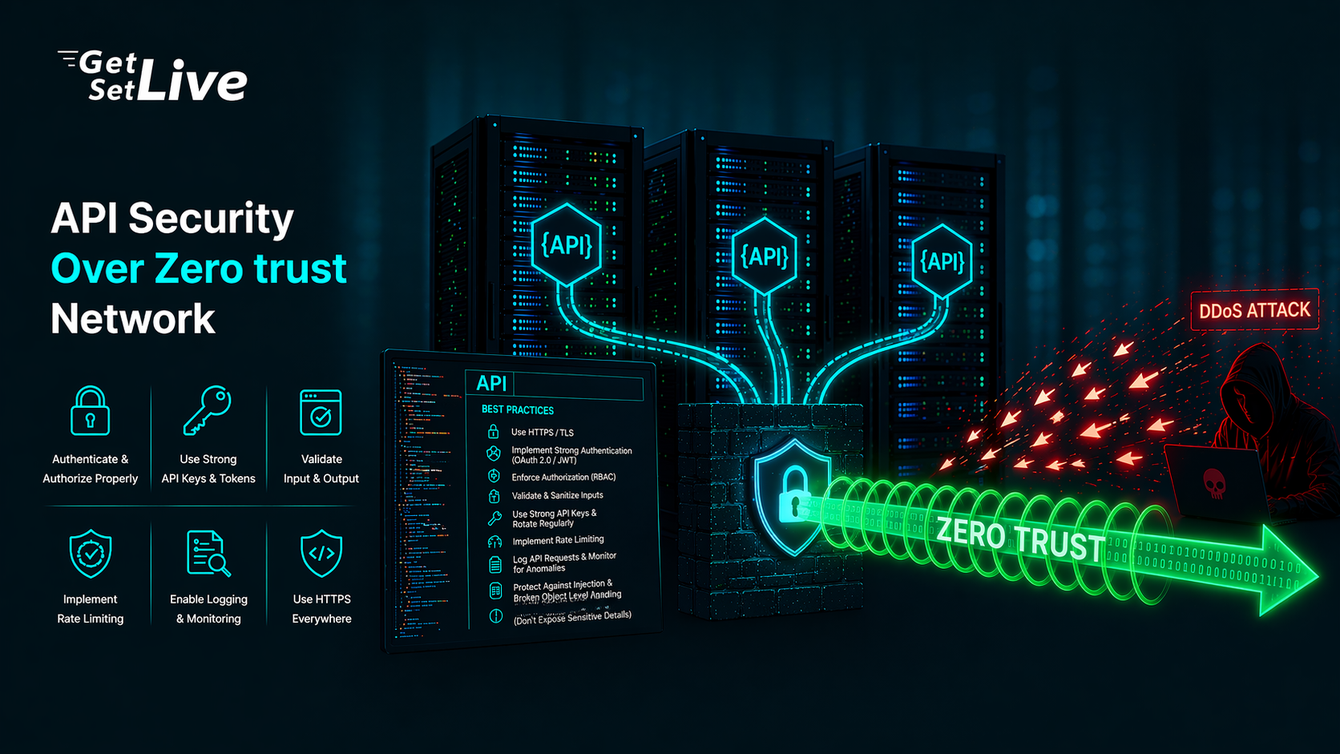
Securing APIs with Zero Trust Principles
Zero trust applied to APIs means every request is authenticated, authorized at the resource level, and monitored for anomalies. This…
-

Mutual TLS (mTLS) Explained
Standard TLS, the protocol securing virtually all HTTPS traffic on the internet, provides server authentication: the client verifies the server’s…
-

Service-to-Service Authentication
In a Zero Trust architecture, the assumption that internal services can communicate freely without authentication is one of the most…
-

Zero Trust for Web Applications
Web applications have historically been protected by network-level controls: firewalls, WAFs at the edge, and VPN-gated access. In a Zero…
-

Protecting Internal Apps with Reverse Proxies
In traditional perimeter-based security, internal applications operated behind firewalls with the implicit assumption that anything inside the network was trustworthy.…