
Blog
Featured Topics
-
Why Every Organization Needs a Disaster Recovery Plan in 2026
Ransomware attacks reached record levels in 2025. Cloud provider outages disrupted services for millions of users. Natural disasters destroyed data…
-
Building Resilient Systems with Chaos Engineering
Traditional reliability engineering focuses on preventing failures. Chaos engineering takes a fundamentally different approach: it embraces the inevitability of failure…
-
Container Security: Protecting Your Docker and Kubernetes Workloads
Containers have revolutionized how we build, ship, and run applications. Docker simplified packaging, and Kubernetes orchestrated deployment at scale. But…
-

The Real Cost of Technical Debt and How to Manage It
Every software team accumulates technical debt. It is the natural consequence of making pragmatic decisions under time pressure, choosing the…
-

Monitoring and Observability: Beyond Traditional Logging
For years, operations teams relied on logs as their primary debugging tool. When something went wrong, you would SSH into…
-
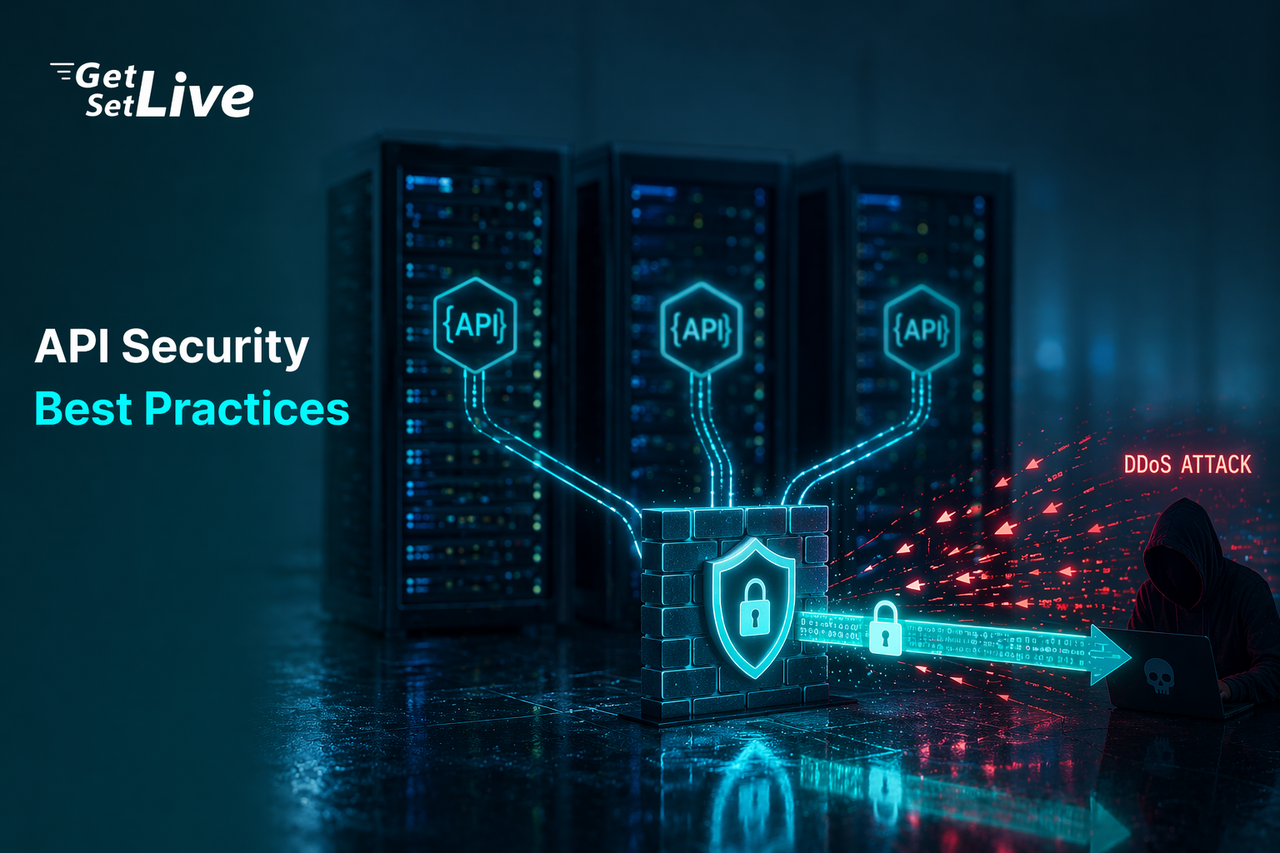
API Security Best Practices Every Developer Should Follow
APIs account for 71% of web traffic, yet 78% of organizations suffered an API security incident in 2023. This guide…
-

Infrastructure as Code: Why Terraform Changed the Way We Build
Before Infrastructure as Code became mainstream, provisioning a new server meant logging into a cloud console, clicking through configuration wizards,…
-

Understanding Neural Networks: A Practical Introduction for Engineers
Neural networks power everything from voice assistants and recommendation engines to autonomous vehicles and medical image analysis. Despite their ubiquity,…
-
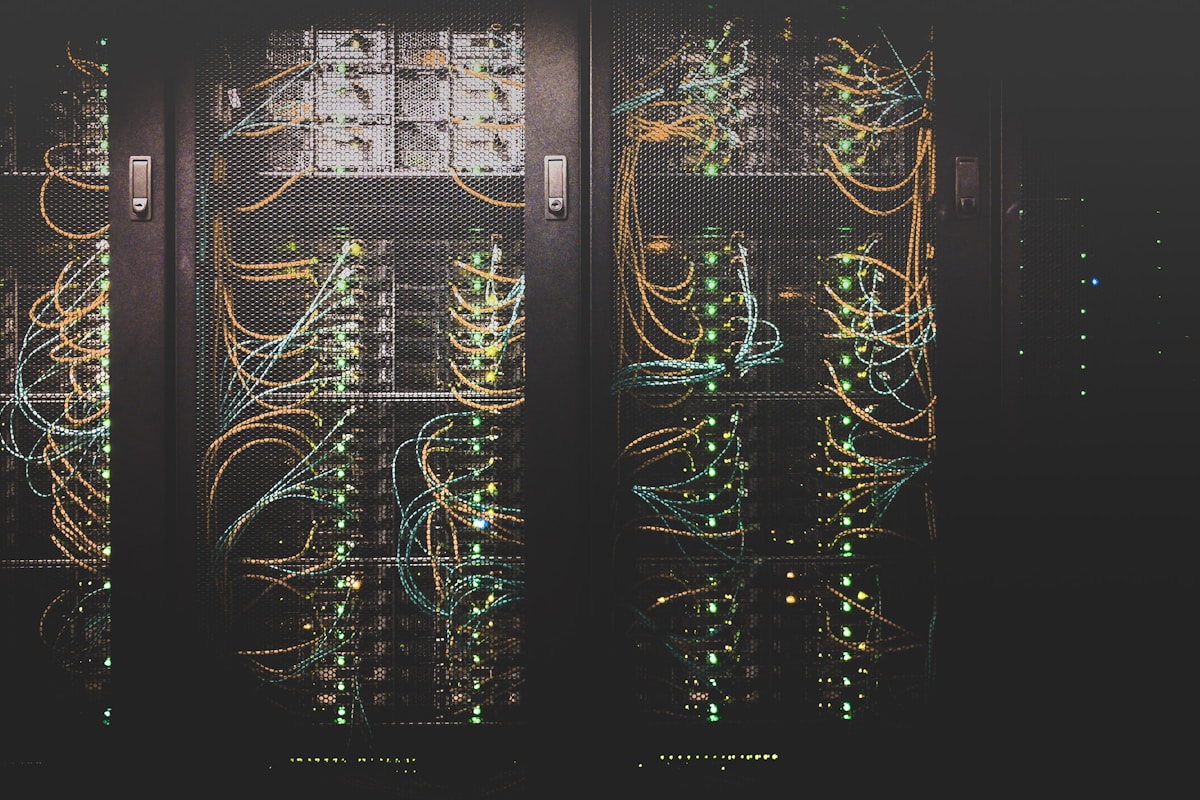
Kubernetes in Production: Lessons from Running Containers at Scale
Running Kubernetes in a development environment is relatively straightforward. Running it in production, where uptime matters, costs accumulate, and a…